Section 179 Tax Deduction
Deadline Alert: Equipment must be purchased and placed into service by December 31, 2025 to qualify for the 2025 deduction.

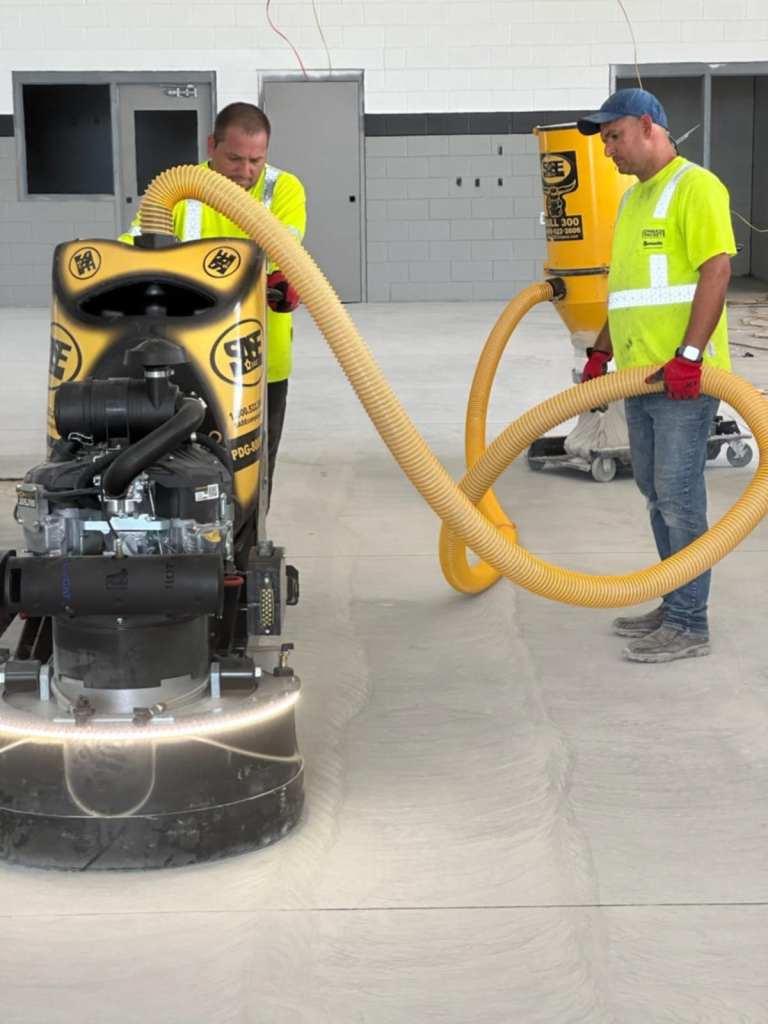

- Maximizing equipment tax write offs
What is Section 179?
the big beautiful act changed the game! Section 179 lets you write off 100% OF heavy machinery in the same year you buy it.
This powerful tax incentive puts money back into your business, allowing you to reinvest in other critical areas. For those in construction or any industry that depends on heavy equipment, it’s a financial advantage worth exploring. Just remember—not all purchases qualify under Section 179. That’s why we’ve created this guide to help you understand the details and maximize your tax deductions.
Section 179 allows businesses to deduct the full purchase price of qualifying equipment or software purchased during the same tax year. If you’ve invested in machinery this year, you may be eligible to deduct the entire cost—up to the set limit—from your gross income on this year’s return.
For industries like construction, mining, agriculture, and forestry—where heavy machinery is vital—Section 179 can significantly reduce the financial burden. Equipment such as trailers, cranes, excavators, and tractors often come with a steep price tag, and whether you purchase new or used, the cost can be difficult for many businesses to manage.
While large corporations can benefit, Section 179 is especially valuable for small businesses and startups with tighter budgets. This deduction offers immediate tax relief, allowing you to reallocate funds to other critical areas of your business while continuing to invest in the tools you need to grow.
HOW DOES Section 179 WORK?
Let’s start with how equipment deductions usually work. When your business purchases or leases equipment, the cost is typically written off gradually—over several years. For example, if you buy a $100,000 machine, you might only deduct a portion of that amount each year for five years.
Section 179 changes that. It allows you to deduct the full cost of qualifying equipment in the same tax year—so you can immediately reinvest those funds back into your business rather than wait for long-term depreciation.
Before claiming this deduction, it’s important to understand two key limits:
Deduction limit – You can deduct up to $1,220,000 in qualifying purchases per tax year.
→ Source: IRS Publication 946
Spending cap – If your total equipment purchases exceed $3,050,000, your deduction begins to phase out. For every dollar spent above the cap, your available deduction is reduced by that same amount.
These thresholds make Section 179 an excellent tool for small and mid-sized businesses looking to offset the cost of essential heavy equipment. For more in-depth legislative details, refer to the official Congressional Research Service summary of Section 179.
What Equipment Qualifies for Section 179?
A wide range of equipment is eligible for the Section 179 deduction. Items don’t need to be brand new—they simply must be new to your business and placed into service during the same tax year in which you plan to claim the deduction.
Here are some common types of qualifying equipment:
Business-use equipment such as tools, machinery, and appliances used for commercial purposes
Machinery or equipment acquired via qualified financing (still eligible under Section 179 if used for business)
Tangible property like business vehicles, computers, off-the-shelf software, office furniture, and office machines
Non-structural property such as large manufacturing tools or heavy equipment
Building improvements, including HVAC systems, fire suppression, security systems, alarms, and roofing (eligible under updated rules for nonresidential property)
Listed property such as cameras, laptops, and other dual-use devices used in business
If any equipment is used for both personal and business purposes, it must be used more than 50% of the time for business to qualify for the deduction. In these cases, it’s essential to keep detailed usage records to remain compliant with IRS guidelines.
Section 179 vs. Bonus Depreciation
If your business is investing in heavy equipment, you have two major tax tools at your disposal: Section 179 and Bonus Depreciation. While they’re often used together, they serve slightly different purposes and are designed to help businesses of all sizes manage large purchases more efficiently.
When you purchase qualifying equipment, Section 179 allows you to deduct the full purchase amount in the same tax year—a huge cash flow advantage for businesses needing immediate relief. This deduction is capped annually, with the current limit at $1,220,000, and a spending threshold of $3,050,000. Once that spending cap is reached, the deduction begins to phase out dollar for dollar.
→ See official Section 179 guidance
For businesses that exceed those limits or continue purchasing equipment beyond the cap, Bonus Depreciation becomes a valuable next step. It allows you to write off up to 60% of the remaining cost of qualifying property in the first year, with the rest depreciated over time. Unlike Section 179, Bonus Depreciation has no annual cap, making it a smart option for high-volume or high-cost purchases.
→ More info on Bonus Depreciation from the IRS
Qualifying items for both deductions often overlap and may include machinery, computer systems, office furniture, and certain improvements to nonresidential buildings. Bonus Depreciation also covers unique categories like:
Depreciable computer software
Qualified film, TV, and live theater production costs
Residential rental improvements
Water utility property
→ Bonus Depreciation qualifying assets – IRS
→ Legislative summary – CRS
In short, Section 179 provides fast, upfront tax relief, while Bonus Depreciation extends the savings for larger-scale investments. Many companies combine both—starting with Section 179 and then applying Bonus Depreciation for anything beyond the limit.
For a deeper breakdown, refer to the official Congressional Research Service summary.
How to Claim Section 179
Claiming the Section 179 deduction for heavy equipment is a relatively simple process if you follow a few key steps:
1. Confirm that your equipment qualifies.
It must be “new to you,” used for business purposes, and placed in service during the same tax year in which you’re filing.
2. Use the equipment within the same year.
The deduction only applies if the equipment is actively used for business during the tax year.
3. Keep detailed records.
Maintain accurate documentation such as purchase receipts, financing agreements, and logs that show business usage.
4. The Most Recent Version of IRS Form 4562.
This form is used to report depreciation and amortization, including Section 179 deductions.
5. Submit Form 4562 with your business tax return.
Include the completed form when you file your federal taxes to officially claim the deduction.
Section 179 FAQs
1. Can I write off heavy equipment on my taxes?
Yes. Qualifying equipment can be deducted using either Section 179 or Bonus Depreciation—or both, depending on your total investment.
2. Is there a limit to how much I can deduct with Section 179?
Yes. As of 2024, the maximum deduction is $1,220,000 per year. The total amount you can spend on qualifying equipment before the deduction begins to phase out is $3,050,000.
3. How do I claim Section 179 for my business taxes?
You’ll need to complete IRS Form 4562 and submit it with your business tax return. This form is used to report depreciation, including your Section 179 expenses.
4. Can I combine Section 179 with Bonus Depreciation?
Yes. Many businesses choose to use Section 179 first, up to the deduction limit, and then apply Bonus Depreciation to the remaining cost of qualifying equipment.
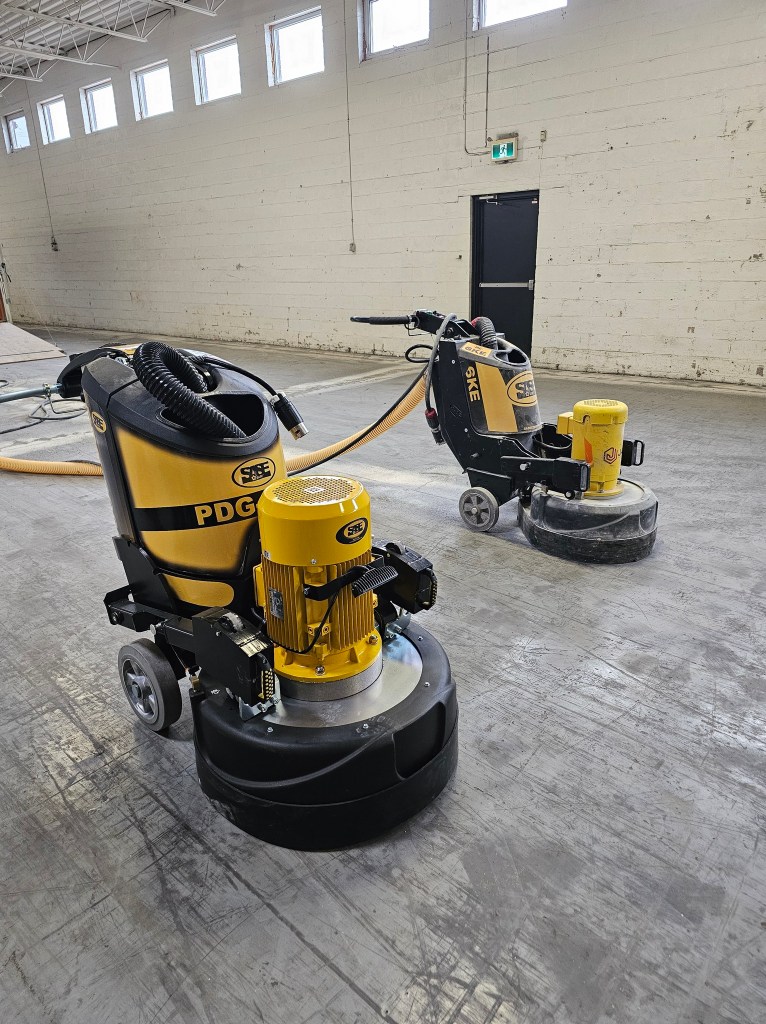
5. What are some SASE Examples of Qualifying Equipment from SASE:
• Planetary floor grinders
• Dust extractors
• Scarifiers
• Floor Scrapers
• Hand Grinders
(Consumable diamond tooling is typically expensed separately.)
- Meet Your Local Rep
NEED A QUOTE OR READY TO PLACE YOUR ORDER?